Stellanea — a new star: on breaking beauty standards in digital art
In a current world that favors instant gratification and perfectionism it is easy to feel behind, like everything exceeds you before you even manage to take a breath. Especially now, when everywhere you look—augmented bodies. Augmented faces. Augmented personalities. A world expanding so fast it forgot to ask if we wanted to come along.
I recently saw a skillfully done concept art of a female game character (an official one, not fan art) but she looked very seductive, fake, and plastic (being sexual and seductive is powerful but, for me, it needs to have a meaningful depth), and her body and face were chiseled to such provocative and unrealistic structures that I honestly wasn’t surprised (disappointed, yes) what kind of reactions I found in the comments section.
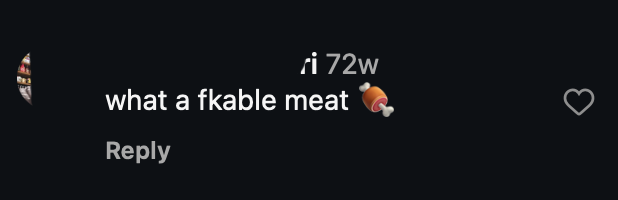
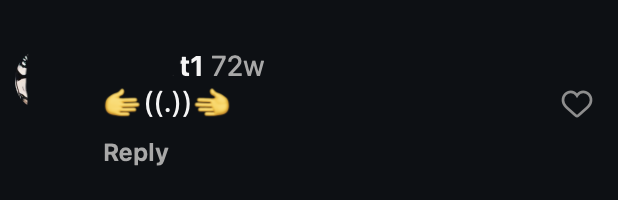

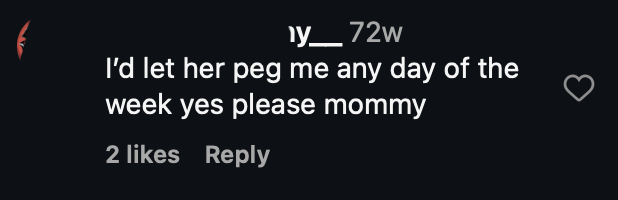
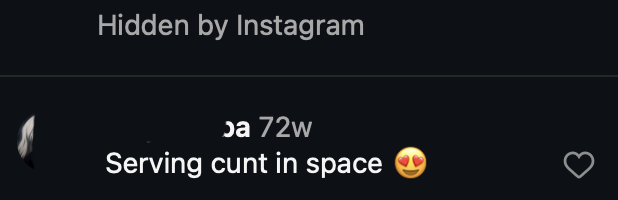
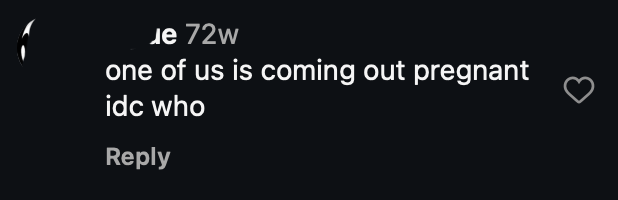
I wonder what example and what behaviors does it encourage in gaming spaces, both for women and men? What if I have children, and they grow into teenagers who play games—what kind of heroes are there? The ones that celebrate unique beauty and curiously layered personalities, or ones that try to shrink and modify them to fit into a flashy image and certain shape because that is what is impressive, accepted and desired by most? Character design has long glorified idealistic proportions as the standard. But even Loomis says:
“Individuality of expression is, without question, an artist’s most valuable asset. You could make no more fatal error than to attempt to duplicate, for the sake of duplication alone, either my work or that of any other individual. Use another’s style as crutch only—until you can walk alone. Trends of popularity are as changeable as weather. Anatomy, perspective, values remain constant; but you must diligently search for new ways to apply them.”
As an artist, I feel responsible to stretch my imagination to show all kinds of beauty.
As an artist, I feel responsible to slow down and think about what I create.
As an artist, I feel responsible for the impact of my creation.
I feel responsible for my future children and generations to show art that they can identify themselves with without harm. Given recent trends of “Looksmaxing”, where young boys break their face bones to "have more chiseled look", I think this is an important area to look at. This isn’t only about girls anymore, or maybe it has never been—boys body image problems are sadly not taken into consideration enough. Gen-Z creators already enter this world—because we experience it firsthand. In Netflix’s “KPop Demon Hunters” animated movie, we can already notice a revolt towards objectification. As one redditer wrote about the “Abby” character: “The whole point of their ridiculous names is how we objectify irl idols/celebrities. He has sexy abs, so that's all people talk about, that's all they see about him, until it consumes his whole personality and identity and he's reduced to just his abs.”.
In this fast-paced, full of distractions, disassociated world that craves instant rewards and perfection—what actually is of value? How do we achieve depth? What history does our art create?
Let’s slow down and find beauty in differences and imperfection. Do not take shortcuts or rush through ideas just to produce. Think. Treat art like life that is worth living. Sense the magic of the present moment and consciously immerse yourself in it, take it all in—even when everything around you is engineered to pull you away from it. It doesn't mean swinging to the opposite extreme and creating only safe art. It is about finding meaning, not just “dress to impress”. It should come from within, not be scratched from the surface. Ask—what example does my creation set?
These reflections became an idea for a character I want to paint.
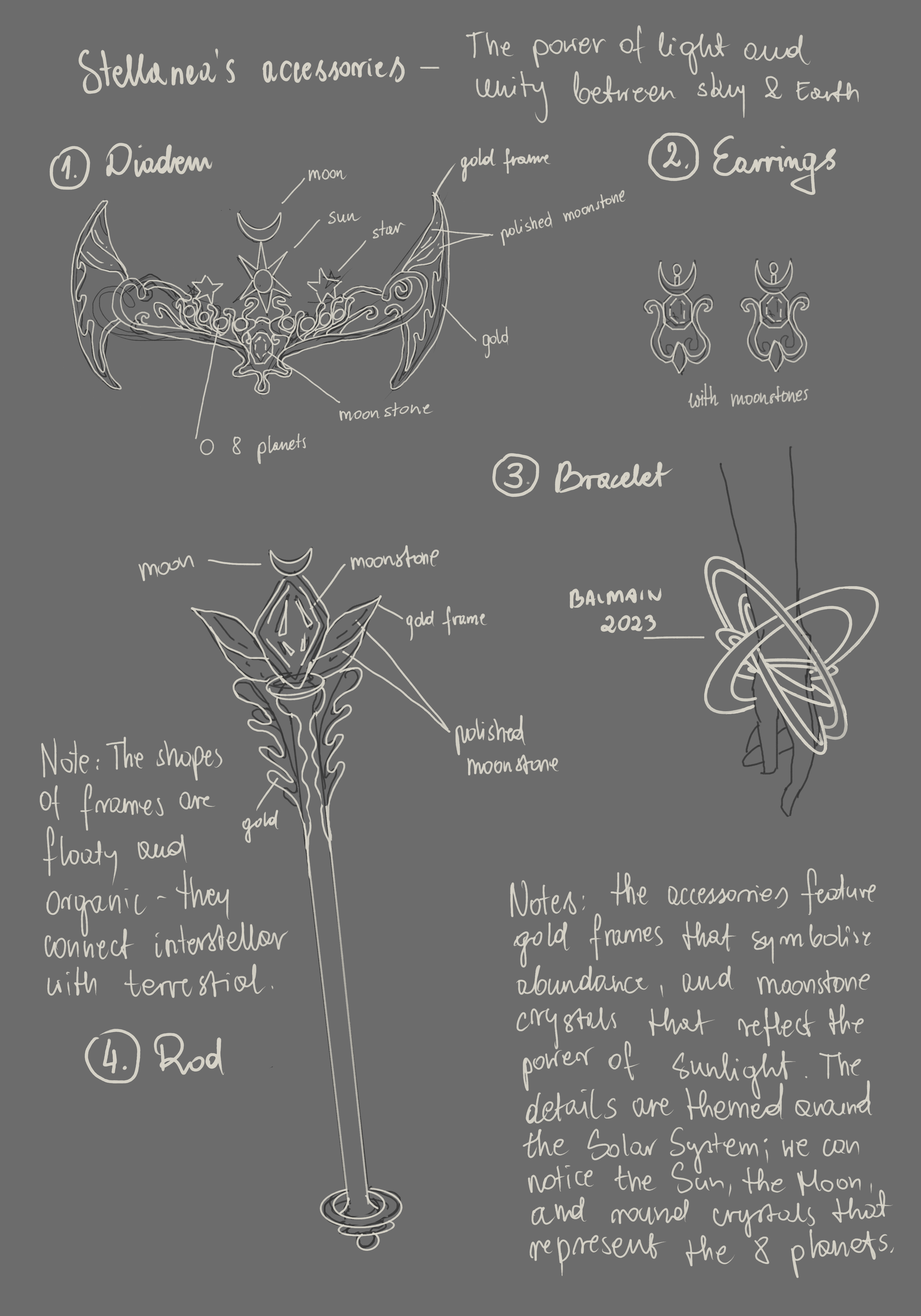
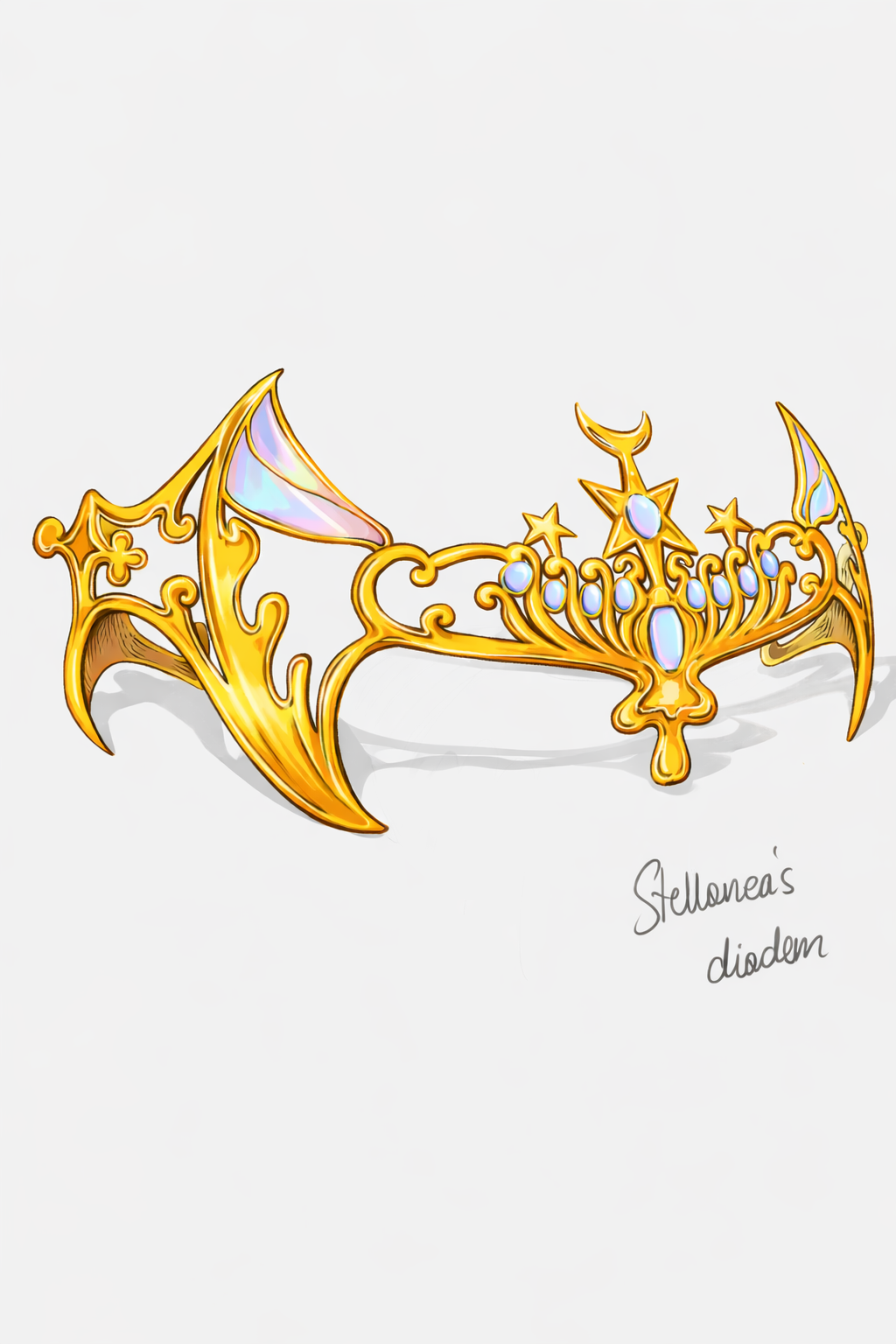
Her name is Stellanea—from stella, “star”, and nea, “new” in Greek. A new star. She is taking shape slowly, intentionally, the way things worth making always do.
I'm not ready to show her yet. But I can tell this—she is not designed to impress. She is not engineered to provoke, she is not fake. In a world that rewards speed, she is slow. In a world that augments and perfects and filters, she is natural and sure of her unique beauty and intellect. In a world that engineers female figures to provoke consumption, her gaze goes elsewhere entirely, toward something the viewer cannot see and cannot own.
She is a balancing act. Not a rejection of the digital world striving for perfection—she stands within it—but a reminder that the human capacity for stillness, for reverence, for genuine beauty and connection, has not been obsoleted. Cannot be. She is something I want to see in and outside of the world of digital art, and I've been quietly building her from the ground up. The philosophy, the light, the accessories, the face—everything means something.
She is my creative renaissance. And I hope, when she arrives—she will be a balancing statement to the world of creativity.
Stella. Nea. A new star.
More soon.