Recovery Isn’t Quitting: 6 ways to come back stronger and train more in tune with your own body
You’re hitting PBs. You feel fitter than ever—until it hits you. A strange pain that doesn’t go away, or worse, an injury. Maybe you’ve got a race coming up, and the last thing you want is a setback. I get it—I’ve been there. It’s annoying and demotivating. But as much as it feels like a defeat, there’s also an opportunity to fight back.
And no, I don’t mean pushing through the pain. That “no pain, no gain” mindset is honestly outdated and hurtful, you risk sacrificing your body just to look tough. Instead, fight back the feeling of being defeated—and start listening to what your body is trying to say. Maybe your training load was too high. Or maybe you just wanted too much, too quickly—for where your muscles, tendons, or joints were at. That doesn’t mean you shouldn’t train hard. It means if you want to train hard, you need to slowly condition your body. Work with your body, not against it.
Testing your limits belongs to the race—not the preparation. And yes, recovery might feel like slowing down. But in the long game, it protects you from more setbacks, helps you reach your peak, and builds the kind of athlete who lasts.
Below, you’ll find the ways that help me recover from pain caused by tightness and inflammation, and that support me in getting back on track before a more serious injury happens.
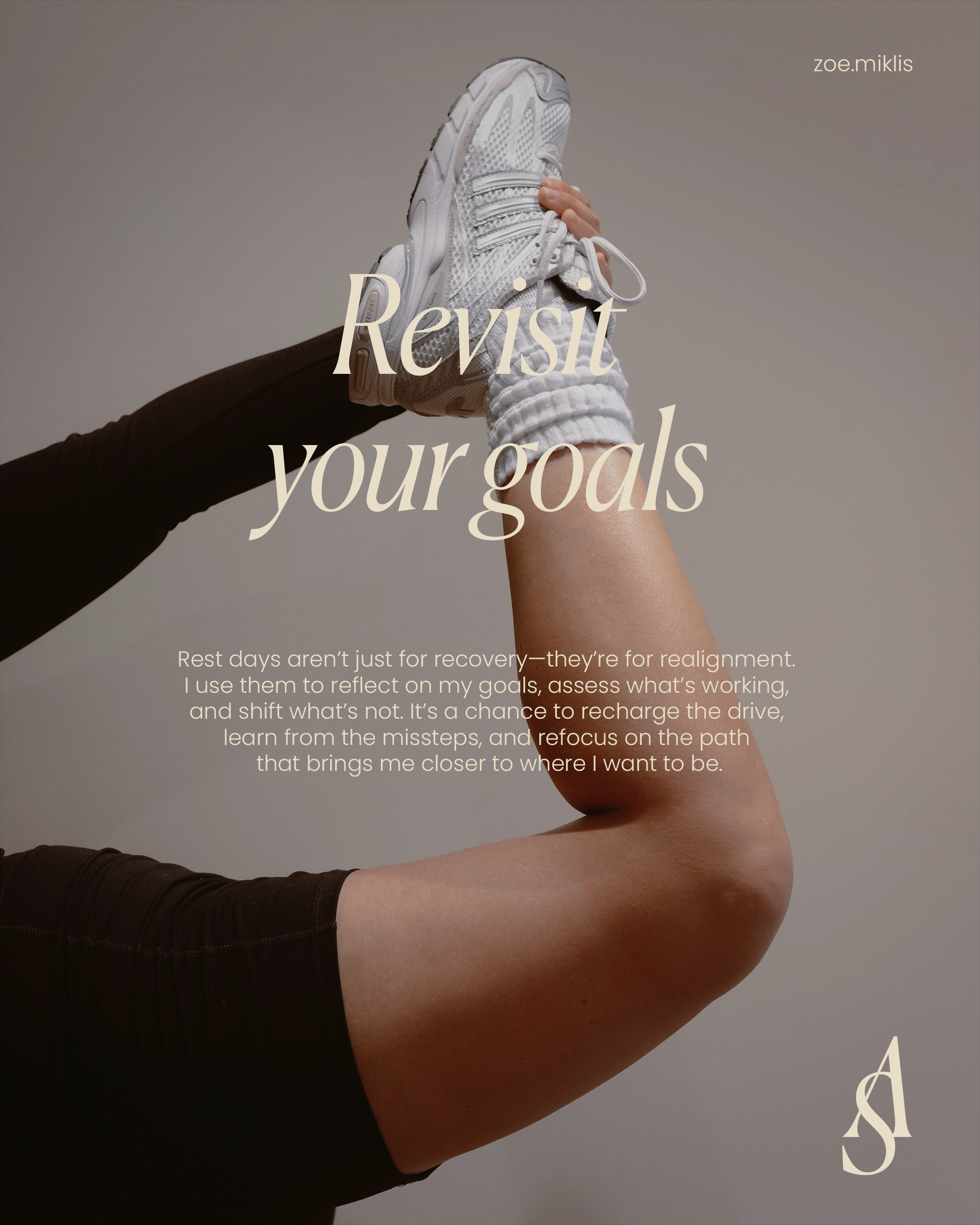
start from revisiting your goals.
Zoom out. Are you chasing progress or pushing past what your body is ready for?
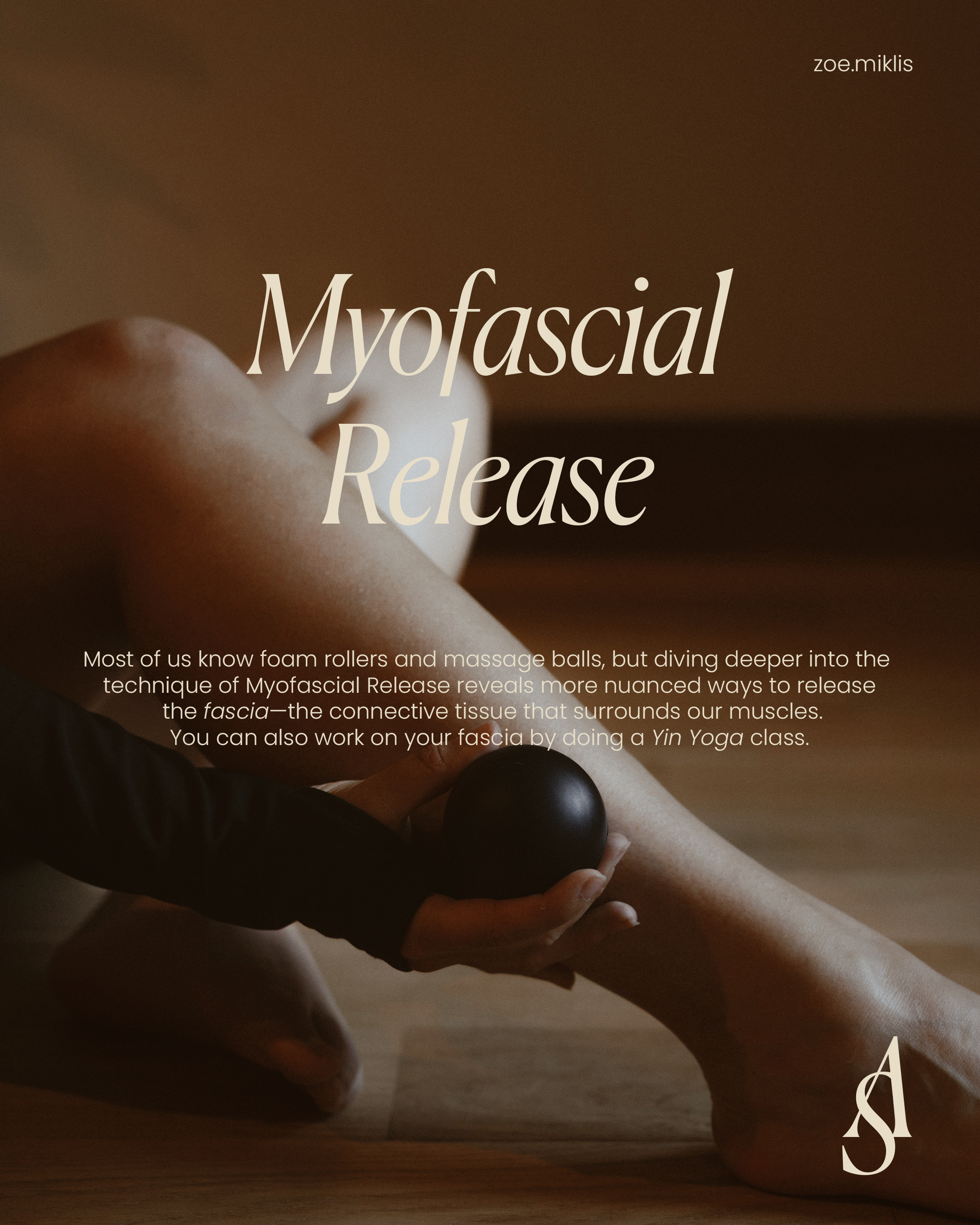
2. find tension in your body and release it.
Use tools like myofascial release, foam rolling, or massage to reduce tightness and inflammation.
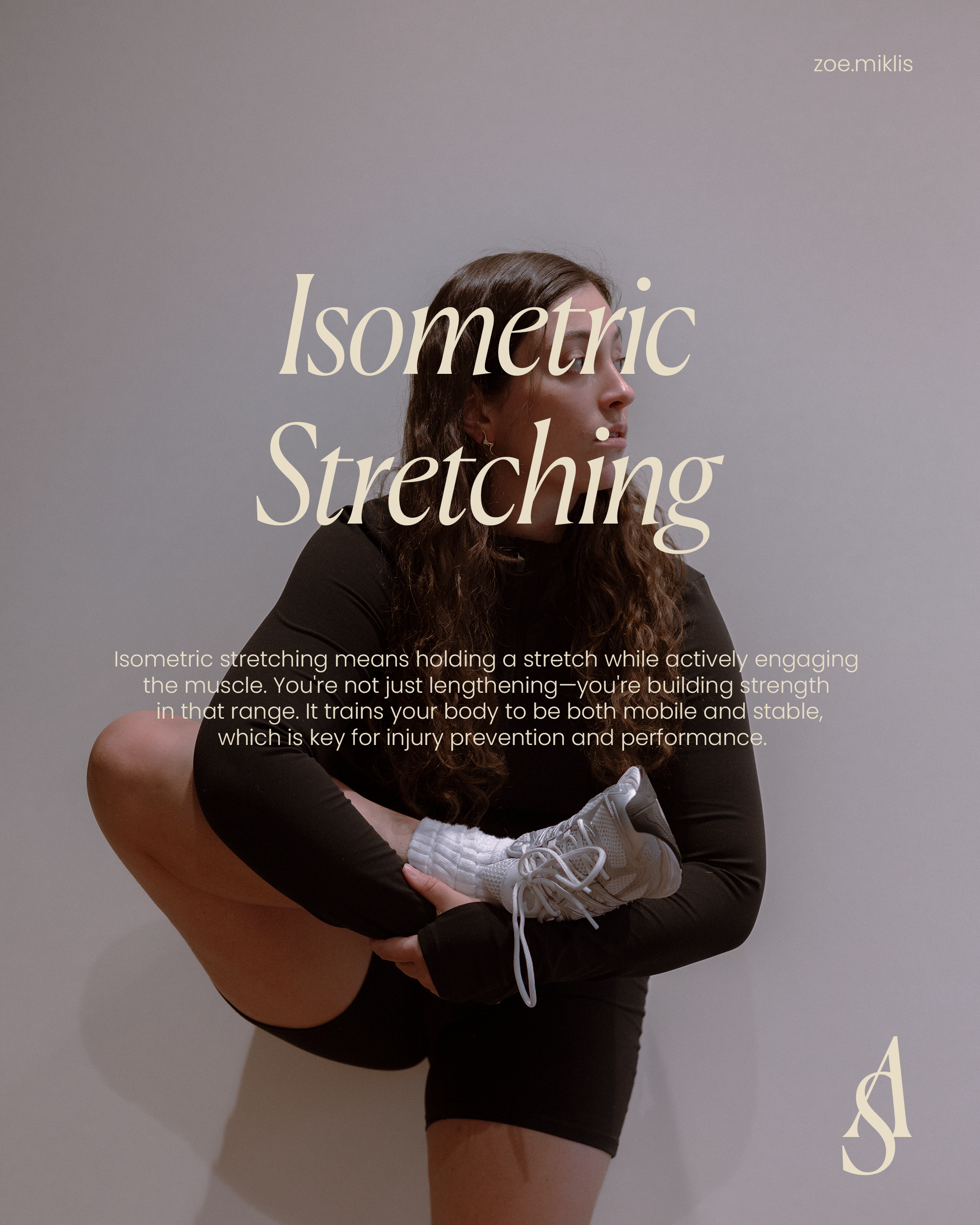
3. work simultaneously on flexibility and stability.
One supports range of motion; the other keeps it controlled. You need both.
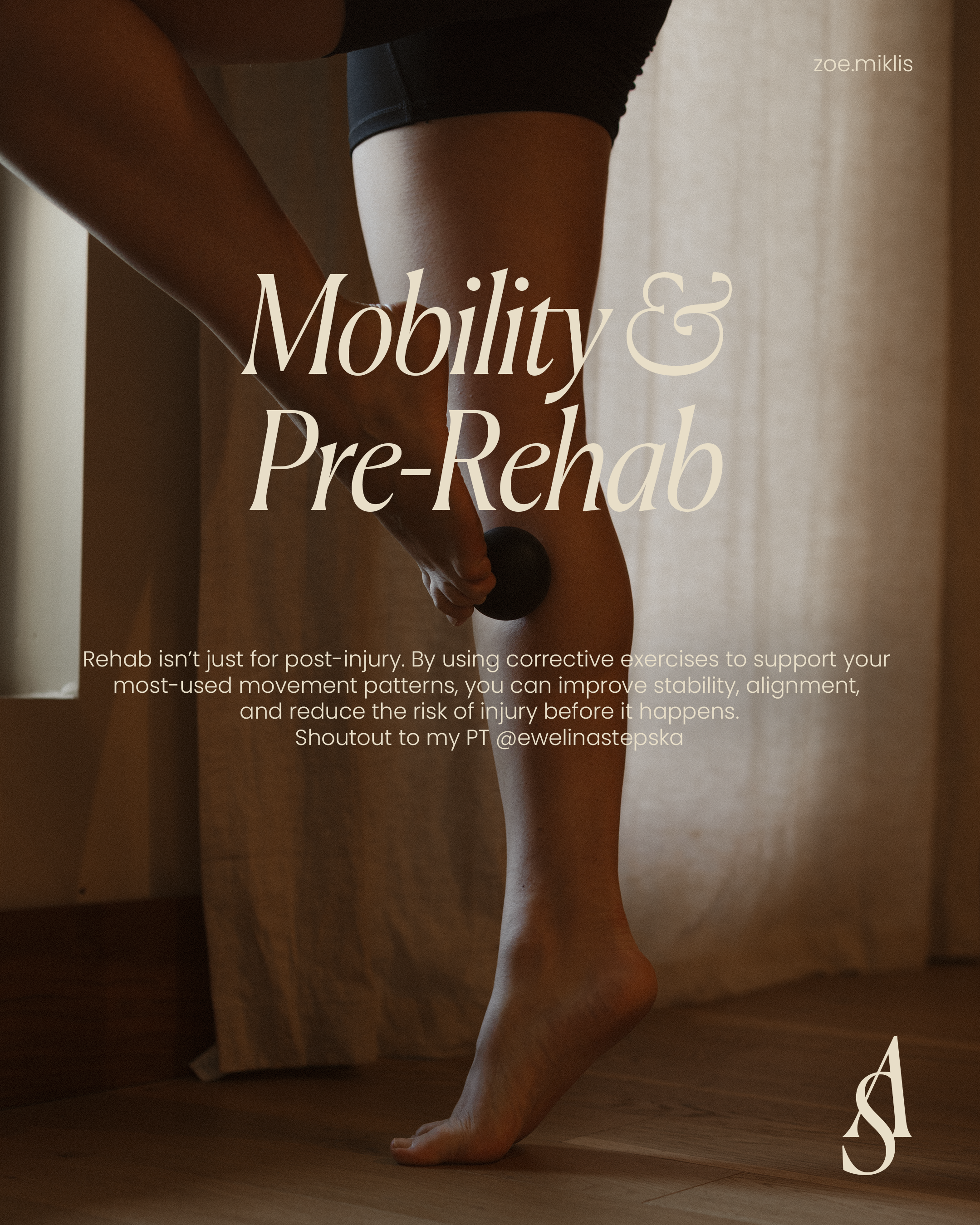
4. increase mobility and address muscle imbalances.
Pain often comes from poor movement patterns. Restore balance where it’s lacking.
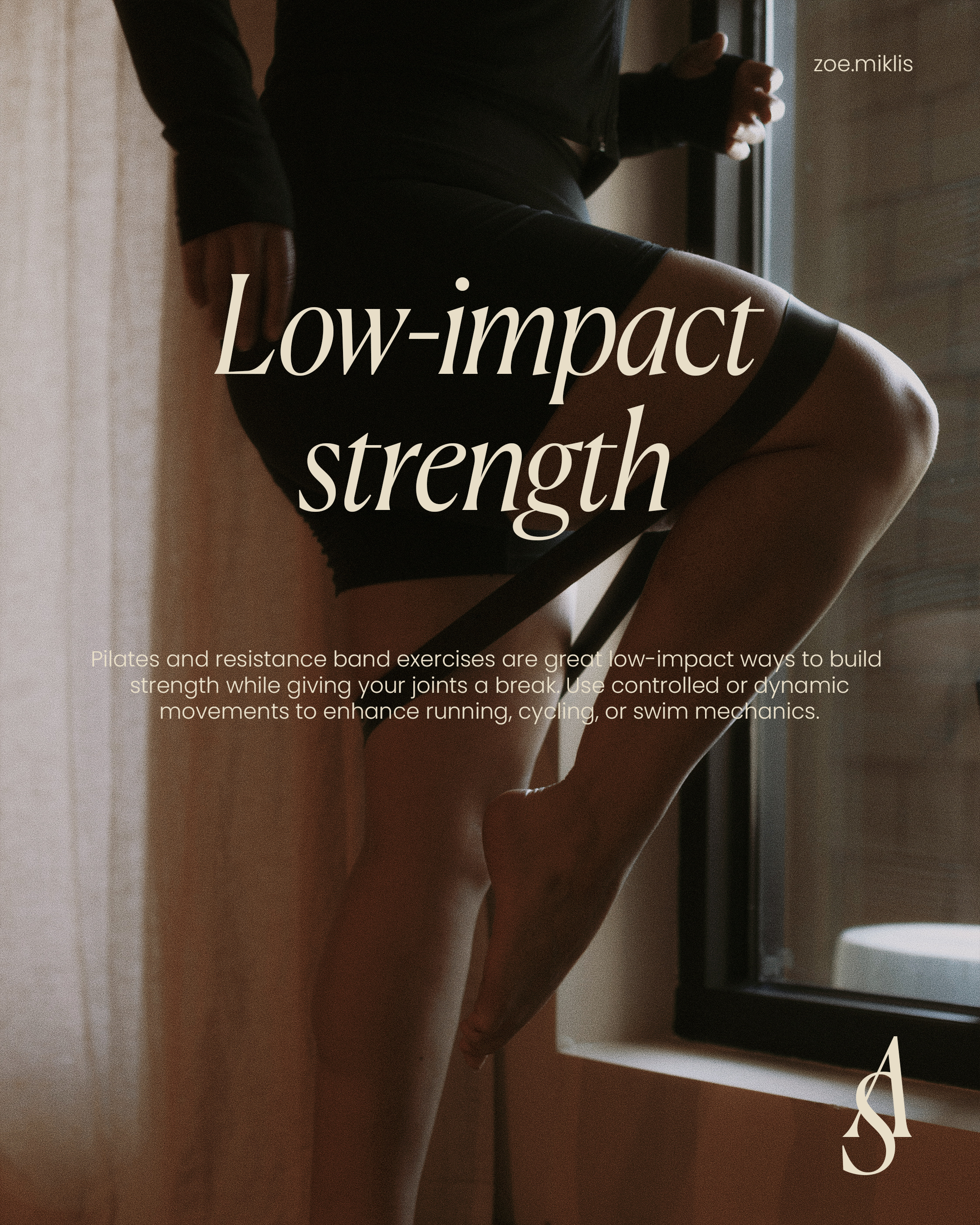
5. condition your body and reinforce proper mechanics.
Don’t just go harder—go smarter. Strengthen foundational movement first.
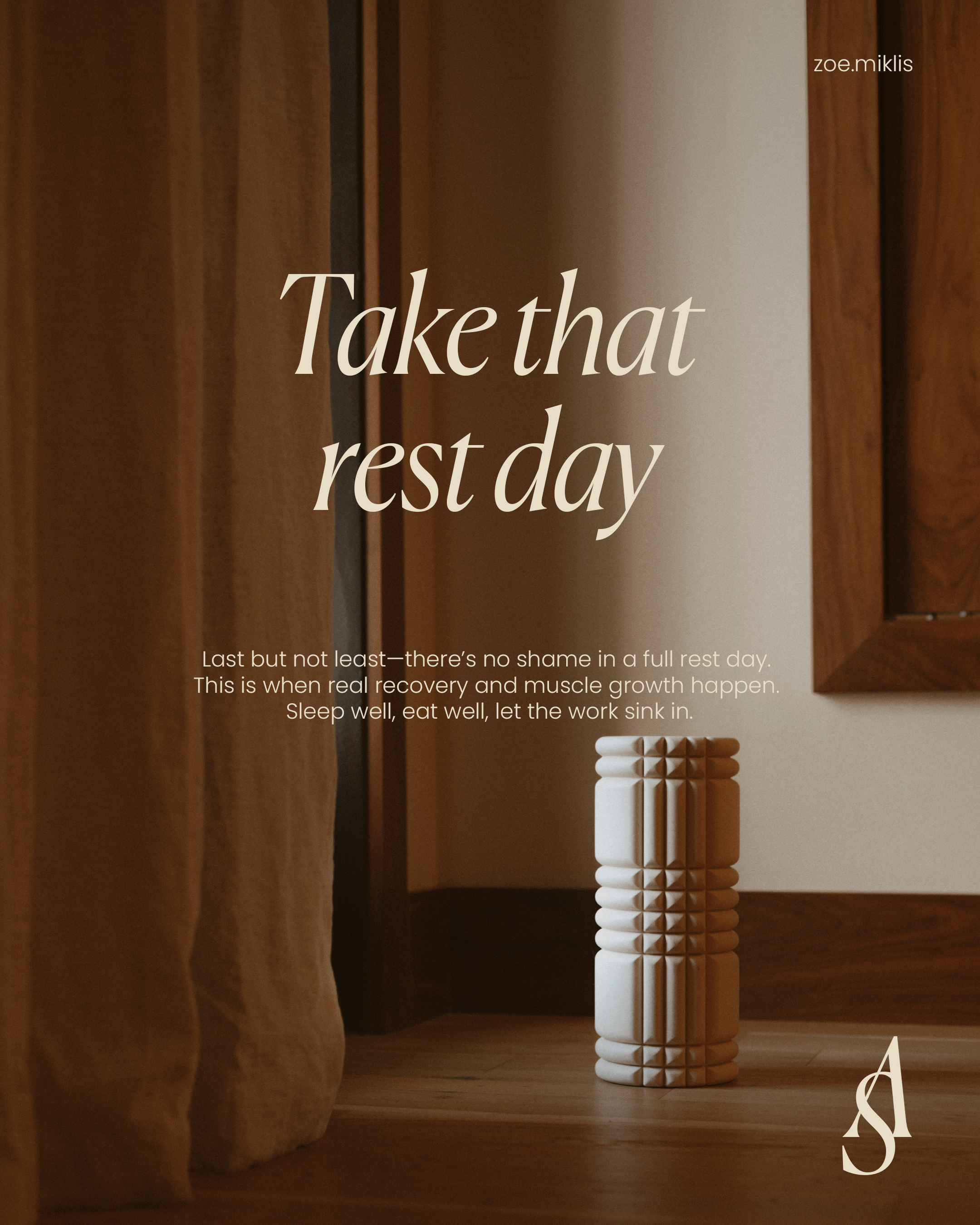
6. allow yourself to rest.
Recovery is a part of the strategy, it doesn’t set you back; but allows for seeing the results.
7. bonus tip: you don’t have to stop doing what you love.
(unless you are seriously injured, always check with a specialist).
Sometimes, you just need to adjust how you do it.
Motion is lotion.
It’s true: our bodies like being in motion. Use it, or lose it. But the key is knowing how to move when something feels off. Tune into your pain scale: if it’s sharp or intense—stop. If it’s moderate—keep going, just more gently, and see how your body adjusts.
The blend of movement, patience, and consistent recovery practices—is what allowed me to reflect on how I approach sports, I found peace in doing reformer pilates, yoga, incline walking and running when my body feels like it. My body stopped being in fight or flight mode. I’m more aware of my limits, more in tune with how my body responds, and better prepared for the long game. The injury was there to stop me from destroying my body. Now, I know that if I slowly build the fundaments—bigger escapades will naturally unveil (or maybe not, and that’s ok too).
Recovery is a part of your progress.
If you’re chasing big goals, setbacks will happen. But they don’t have to break you. Learning how to pause, adjust, and come back stronger is what separates temporary wins from lasting progress. Treat recovery as training—because it is. The kind that builds durability, self-awareness, and the strength to keep going.
Listen to your body. Respect the signals.
And remember: Healing means you’re playing the long game, not just the highlight reel.